Global · Creative discipline
The Power of One
From a Paris trench coat to a Tokyo bookshop, creative businesses are narrowing the field. Their strength is not the absence of choice, but the depth that focus makes possible.
23 August 2026

In 2020, designer Dryce Lahssan opened a boutique in Paris with no sign, no window display and one garment for sale. Visitors rang a doorbell at 24 rue Molière, came in for coffee and conversation, then were shown an ankle-length black vinyl trench coat hidden behind a mirrored wall.
The coat was produced in small batches. It would not be discounted, sold through department stores or offered online. Lahssan was not simply reducing the range. He was replacing the usual retail transaction with a point of view. The encounter around the coat was part of what he sold.

One can contain multitudes
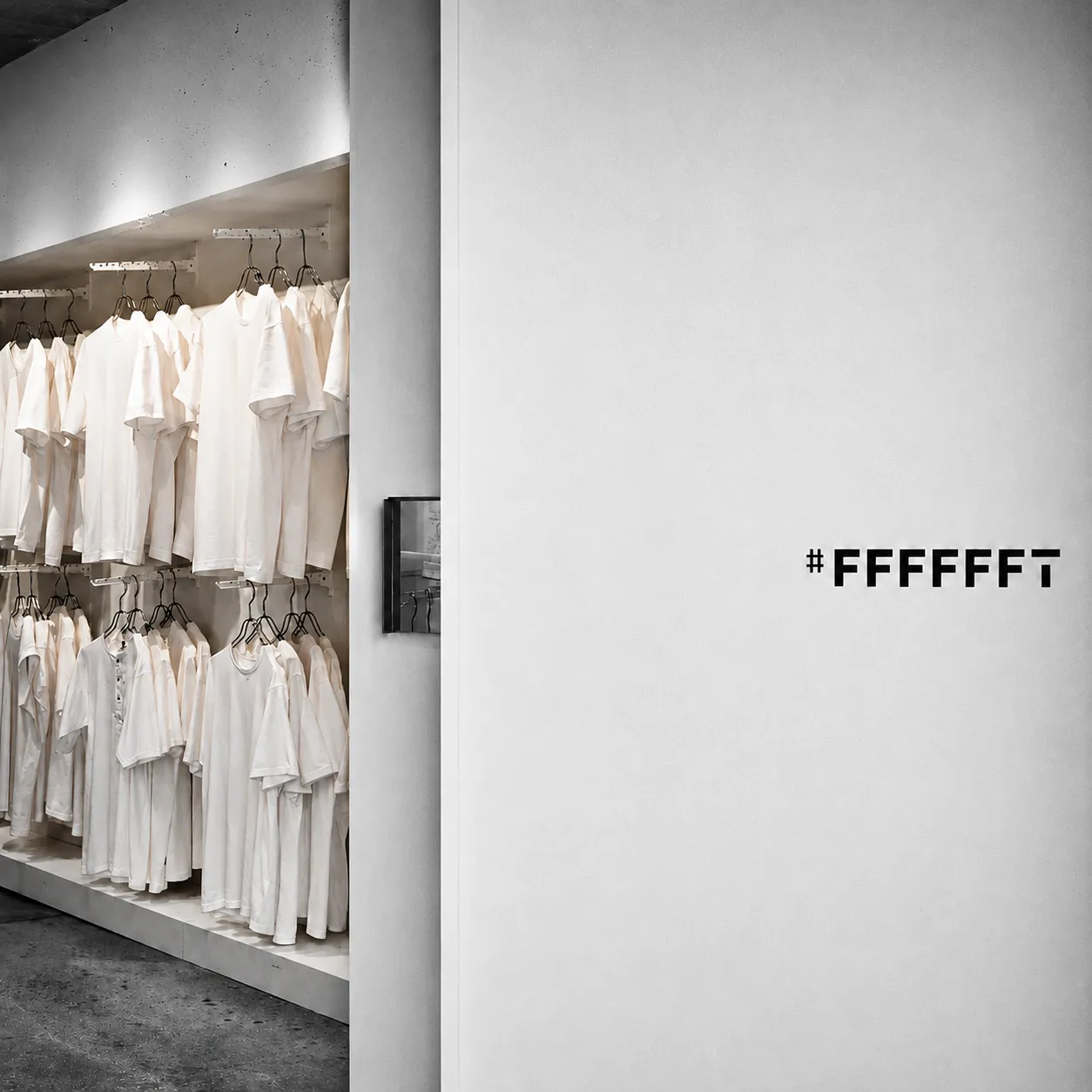
In Tokyo, #FFFFFFT applies the same focus at a different scale. The shop is dedicated to the plain white T-shirt, but the category is not a single product. It planned to carry more than 20 types at launch and displayed about 70 in 2022. Founder Takuya Natsume helps customers notice what a general fashion store can flatten: the weight of the cotton, the shape of the neck, the shade of white, the way a sleeve falls.
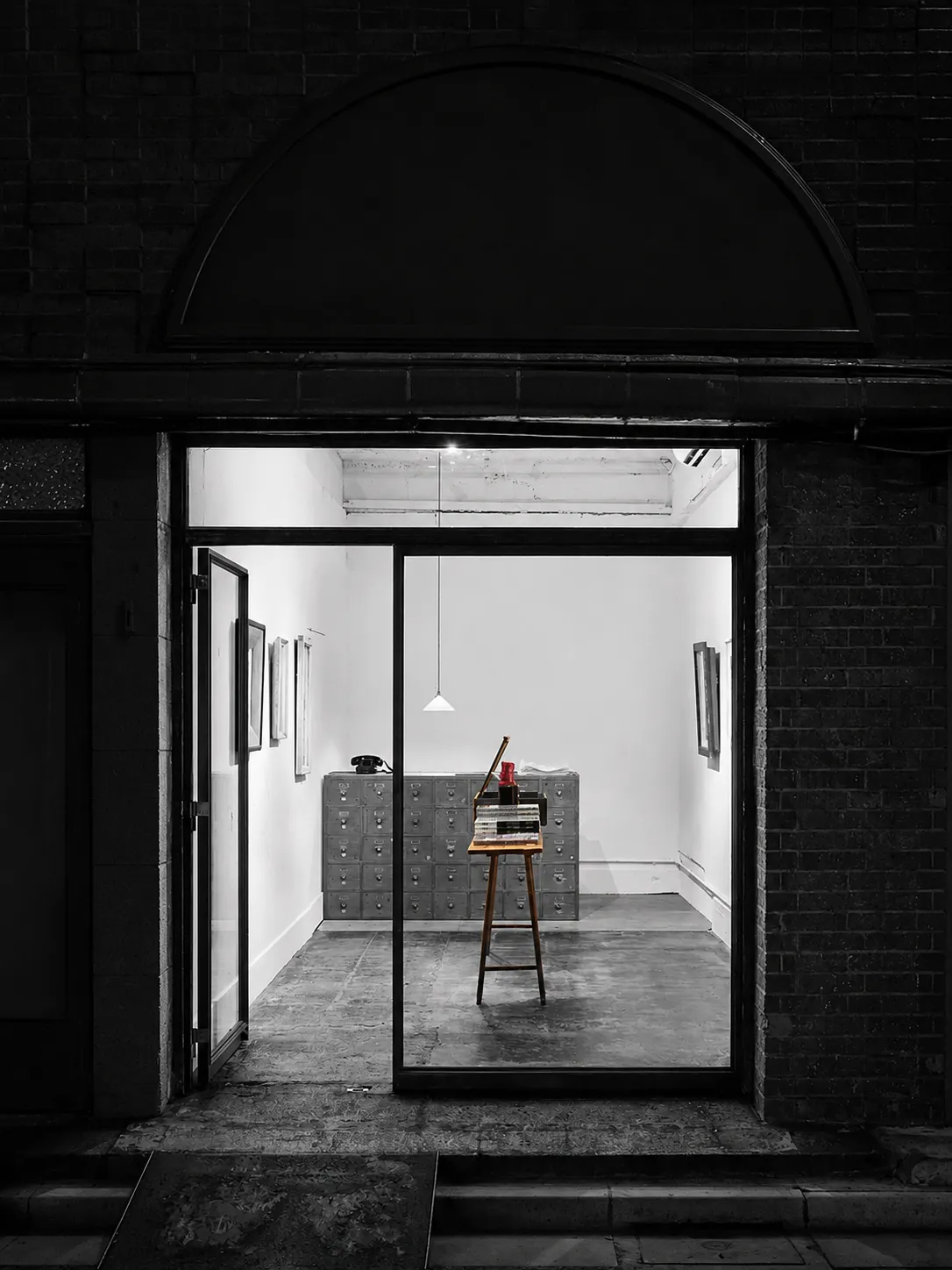
Morioka Shoten narrows the field further. The Ginza bookshop sells multiple copies of one title each week, surrounding it with exhibitions, readings and conversations. The absence of alternatives gives the chosen book more room.
The same rule has become an editorial engine. Each of MacGuffin’s 15 issues begins with one ordinary object, from a bed or a window to a chain, wall or stitch, then follows it into design, language and daily life. A Magazine Curated By hands each issue to one designer or fashion house. Its 28 numbered issues since 2004 do not repeat a house style. They keep changing the person authorised to define the world inside.

Focus, in these cases, does not produce less. It creates a boundary within which differences become easier to see.
The rule is not the work
In 1971, Gavin Bryars found an unidentified man singing a short religious refrain on unused tape from a film about people living rough in London. The first passage formed a 13-bar loop. Bryars repeated it and built a gradually changing accompaniment around the voice. One recording lasts 74 minutes; other versions run from 12 minutes to a 12-hour performance. The refrain stays put while everything around it accumulates.
Advertising writer David Abbott treated selection as part of the creative job. In a 1994 memo, he argued that an agency should choose the right team, strategy and idea instead of presenting a client with three routes and transferring the decision. “We get paid to make choices,” he wrote.
His campaign for The Economist showed what that discipline could build. From 1984, white type on a red field became a consistent frame for a long sequence of new lines. The system made each execution recognisable without making it the same.
The limit has to earn its place
Less choice is not automatically better. A meta-analysis published in the Journal of Consumer Research reviewed 50 experiments involving 5,036 people and found that the average effect of choice overload was close to zero, with results varying widely by context. A separate review of 145 studies in the Journal of Management reached a similarly conditional conclusion: constraints can help or hinder according to their type, level and the way people work with them.
The power of one is therefore not scarcity for its own sake. A useful limit removes noise and increases attention. It asks a shopkeeper, editor, composer or agency to make a judgement, then do enough with that judgement to justify everything left out.
The point is not the empty rail, shelf or page. It is how much more clearly we can see what remains.