Global · Publishing
Print is Fighting Back
After years of decline, print is finding new value in depth, tactility and control. The publications winning now are built to be owned, not scrolled past.
9 August 2026
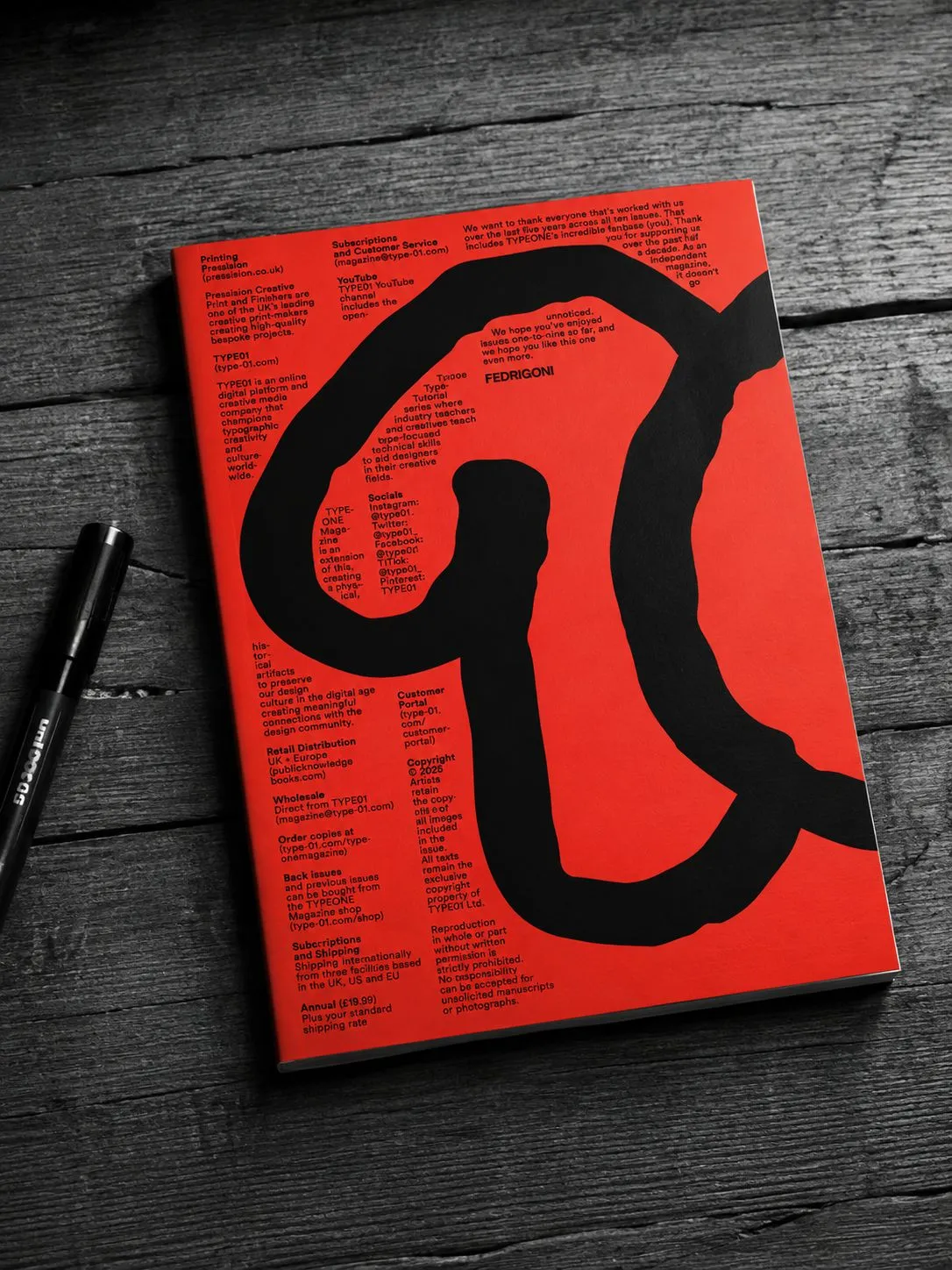
Print spent years being described in the past tense. The screens multiplied, the newsstand shrank and infinite scroll appeared to settle the argument. Yet readers kept paying for physical magazines. Print circulation still accounts for 61 percent of total consumer-magazine revenue, while more than 435 new titles have launched in the US since 2020.
After a sharp slowdown in 2024, launches rebounded 77 percent in 2025. This is not a mass-media comeback. It is print finding a different job.
Depth, not speed
Digital publishing is built to keep moving. A physical magazine asks to be held, finished and kept. That difference matters in a culture shaped by algorithmic fatigue. Seventy-two percent of readers prefer printed books and magazines, compared with 55 percent for news. Print is becoming a medium for depth rather than speed.
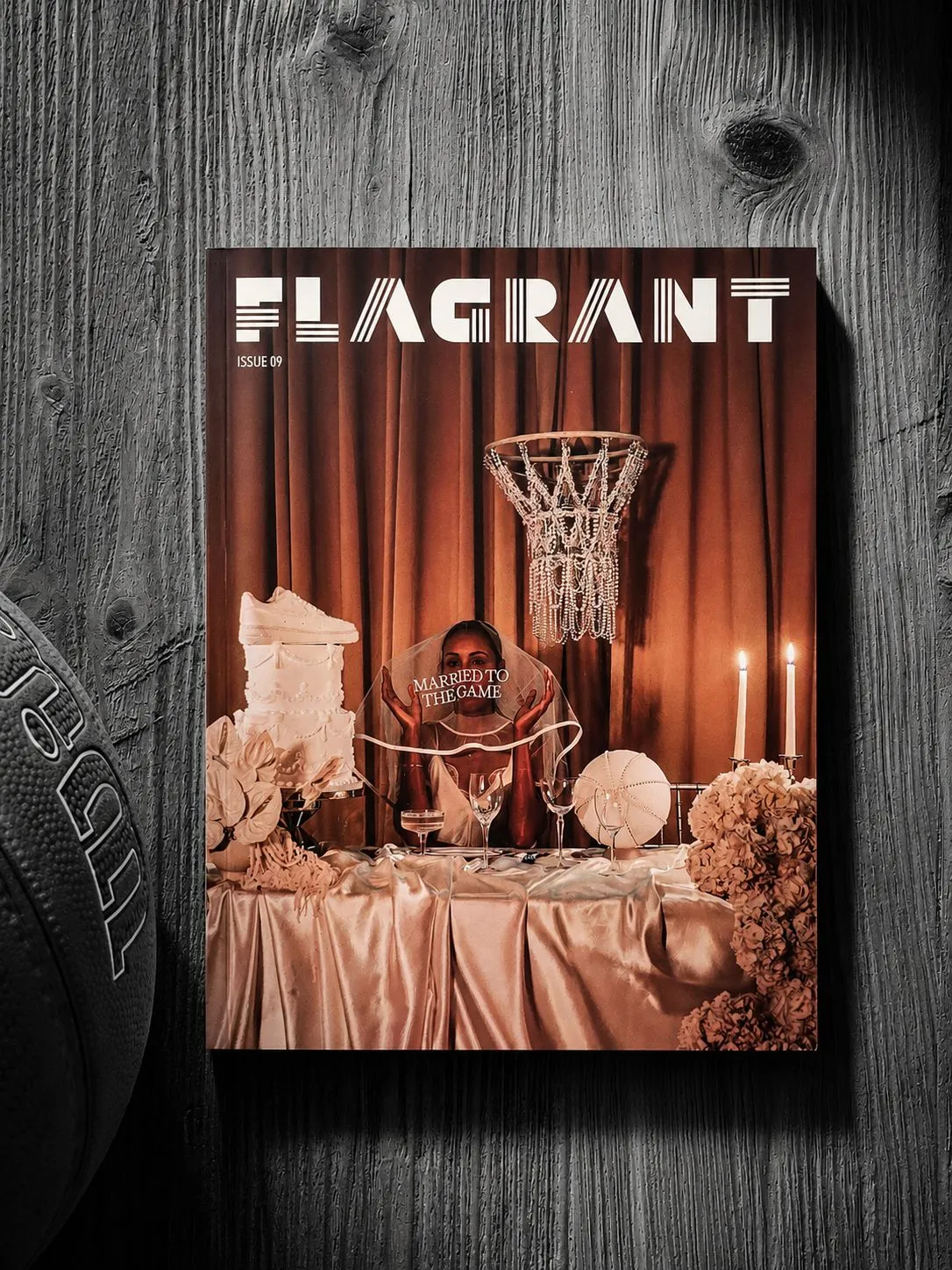
A new generation of publishers is designing around that behaviour. Niche, low-frequency titles are not trying to imitate a feed on paper. They are made as objects worth owning, with strong covers, deliberate pacing and enough material presence to earn a place on a shelf. Tactility and collectability are part of the editorial proposition now.
The reader becomes the model
When the magazine becomes an object again, the economics change with it. Seventy-six percent of publishers identify subscriptions and membership as a key revenue priority, ahead of display advertising. The customer, rather than the advertiser, is increasingly the business model.
That makes a smaller, more committed audience valuable. A publication does not need to chase the largest possible weekly reach when readers are willing to pay directly for something specific, infrequent and beautifully made. The product is not only the information inside. It is the relationship created by returning to the same title, issue after issue.
Brands build editorial worlds
Brands have noticed the same shift. Hermès prints 600,000 copies of Le Monde d’Hermès in eleven languages. LOEWE publishes a quarterly title that carries the brand beyond products and into cultural storytelling. Rapha uses Mondial to build authority around cycling.
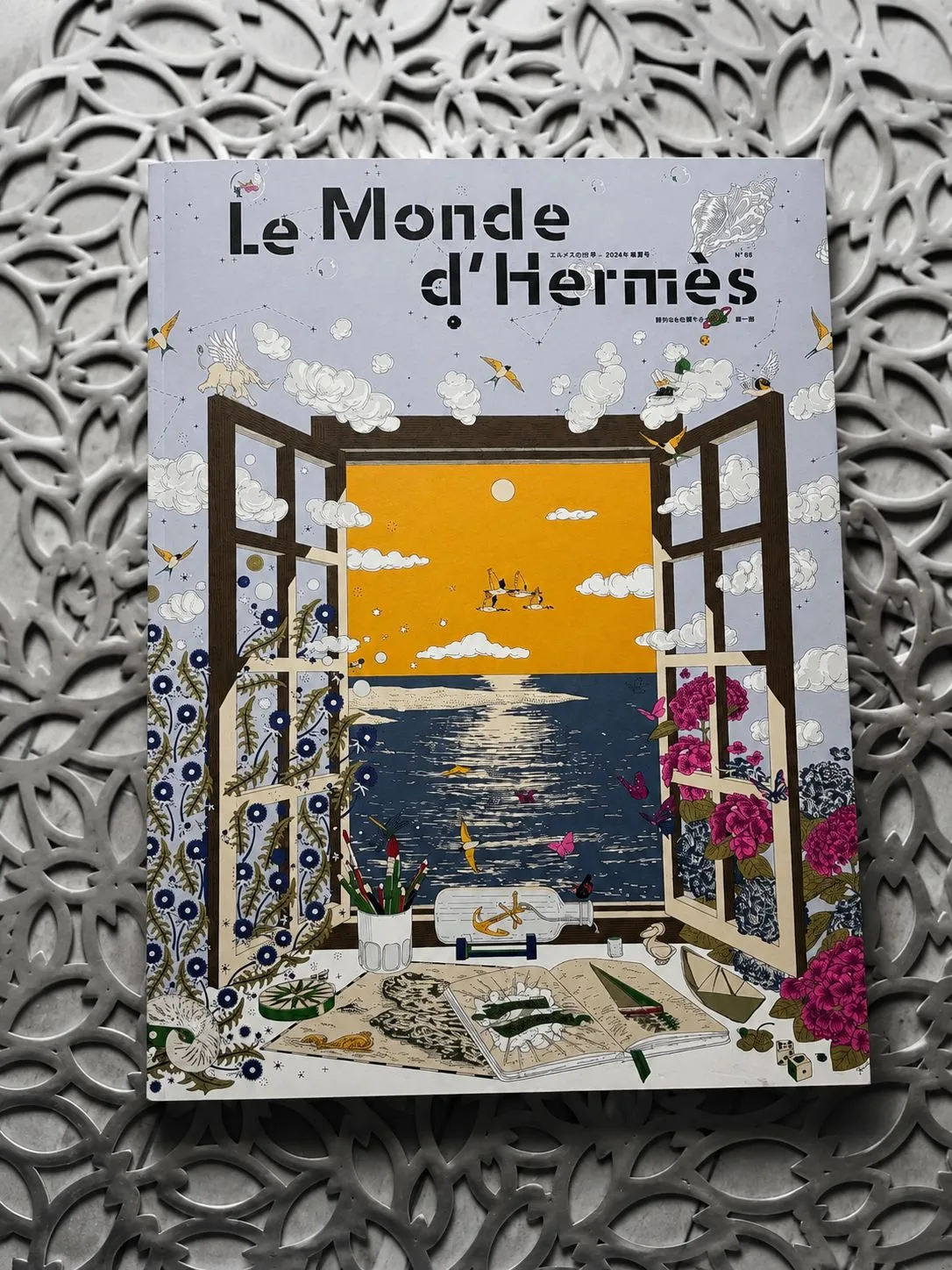
These are not simply catalogues with better paper. They let brands commission ideas, choose the pace and build a world that is not interrupted by someone else’s feed. Nike and Dazed took the same approach with Dazed League, moving beyond campaign messaging into editorial storytelling around the 2026 World Cup.
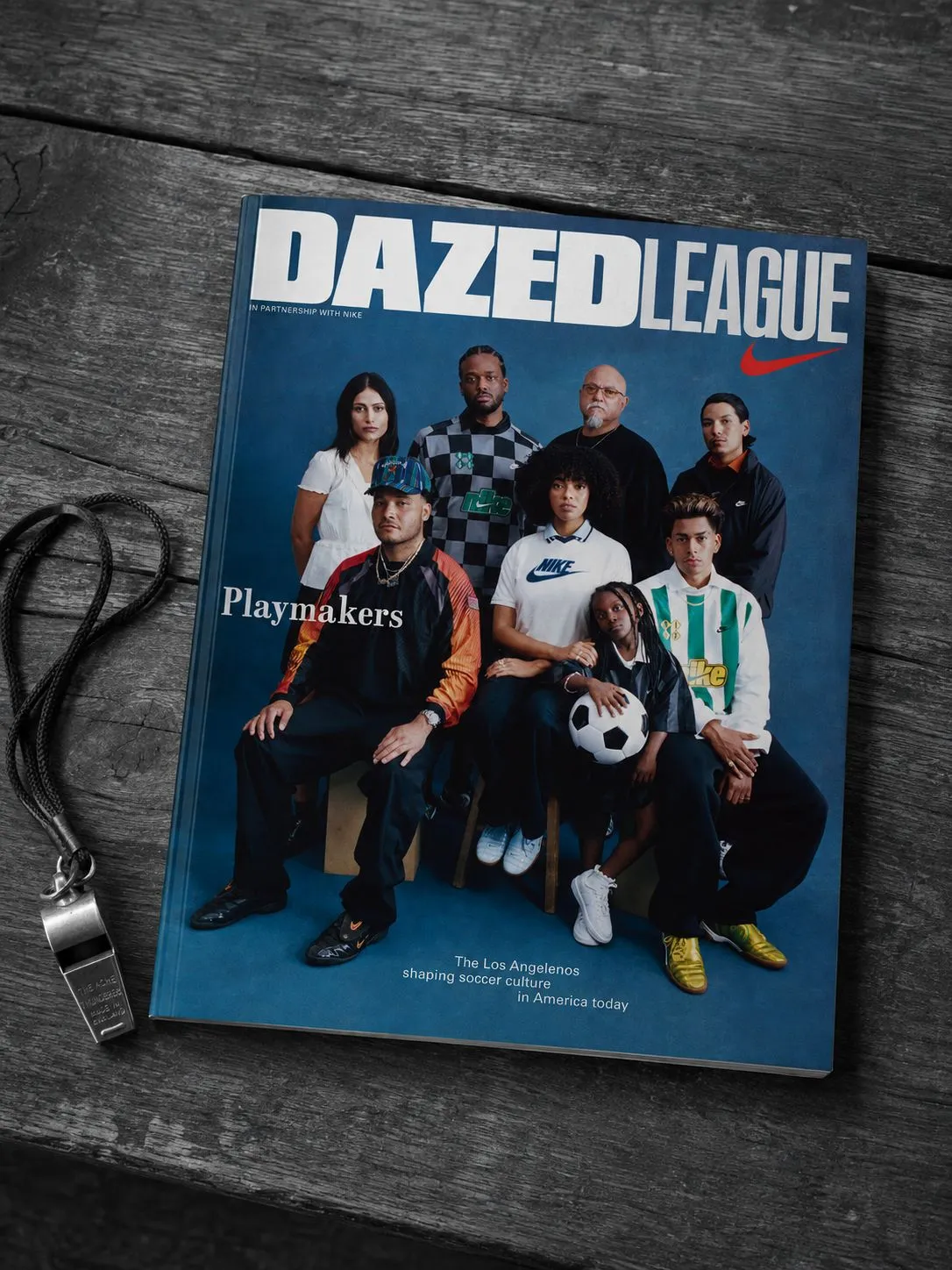
The real opportunity is larger than print. It is owned cultural media. In an algorithmic environment, a physical publication gives publishers and brands a space they can completely curate and readers an object they can choose to keep. The magazine is not fighting the feed at its own game. It is valuable because it offers what the feed cannot.